



Fired, harassed, retaliated against, or underpaid by an employer in Santa Barbara County. The firm represents Central Coast workers when the dispute needs to close with a settlement on paper, not an HR shrug.
NYU Law & NYU Stern credentials · Former Skadden & Latham counsel · Workers only, contingency-fee · No-charge first call
Or call us directly
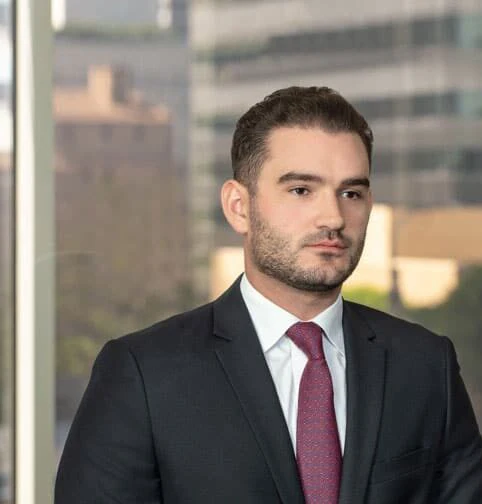
Workers in Santa Barbara fired, demoted, harassed, or short-paid in violation of California law have stacked statutory remedies few other states offer. FEHA carries uncapped emotional-distress and punitive damages on discrimination, harassment, and retaliation claims, plus attorneys’ fees the employer pays once the worker prevails. Labor Code section 203 levies a waiting-time penalty of one day’s wages for every day a final paycheck is late, capped at thirty days. Labor Code section 226 adds penalties for inaccurate wage statements. PAGA lets the worker pursue civil penalties for the same Labor Code violations on behalf of every affected coworker, turning one wage problem into a representative action. Simon Moshkovich — NYU Law, former Skadden and Latham — reads every Santa Barbara intake personally.
Mercer Legal Group is a California employment firm that represents workers — only workers. Each new matter gets screened against a single yardstick: do the facts and the documents support a verdict at trial? Where the answer is yes, a senior attorney stays on the file from intake to resolution. Where the answer is no, the firm says so the same day instead of running a meter. Santa Barbara and Central Coast intakes get the same direct read.
California reaches well past the federal floor on worker protection, and the Santa Barbara employers the firm pursues — hospitality groups along State Street and the Funk Zone, Santa Ynez Valley wineries, Cottage Health-affiliated facilities, AppFolio- and Procore-style tech operations, Santa Maria-area agricultural producers, and offshore oil-services contractors — operate knowing it. An employer cannot fire, demote, cut hours, or quietly push out a worker for reporting harassment or discrimination, whether the complaint is about the worker or about a coworker. Protected characteristics cover race, sex, age, pregnancy, disability, religion, national origin, sexual orientation, gender identity, and military status. Asking for a reasonable disability or pregnancy accommodation is protected. Taking and returning from protected medical or family leave is protected. Reporting unsafe conditions, wage theft, or anything reasonably believed to be illegal is protected. Refusing to participate in fraud, false billing, or a cover-up is protected. Filing a workers’ comp claim is protected. The employer also cannot pocket wages — unpaid overtime, missed meal or rest periods, off-the-clock work, withheld tips, and miscounted hours each carry their own statutory penalties under the Labor Code.
A Santa Barbara matter that wins recovers wages and benefits lost from the day the employer crossed the line through entry of judgment. Front pay covers future lost earnings when the firing or forced exit set the worker’s career back. Compensation for emotional distress under FEHA is uncapped under California law. Unpaid wages, overtime, and Labor Code penalties stack on top of any FEHA recovery rather than offsetting it. Attorneys’ fees come from the former employer, not from the worker’s recovery. Punitive damages apply where the employer’s conduct was malicious, fraudulent, or oppressive. The firm works on contingency — nothing comes out of the worker’s pocket, and the firm gets paid only on a win. Timing matters. Some California employment claims expire in as little as one year, and most run out within three. Evidence disappears, witnesses move on, and leverage walks out the door if the filing slides. A severance with a non-disclosure should never be signed before a legal call — the Silenced No More Act voids many such NDAs when harassment, discrimination, or retaliation sit in the underlying facts.
Free, confidential review for workers in Santa Barbara. A direct read on whether the claim makes a viable Santa Barbara County verdict — or does not.
This firm does not negotiate from hope. It negotiates from documents. Step one is locking down the worker’s own record — emails, texts, Slack and Teams archives, pay stubs, schedules, performance reviews, and witness statements — before anything quietly disappears off a server. Step two is the agency filing: CRD, EEOC, or the California Labor Commissioner depending on the claim mix, which stops the statute-of-limitations clock. Once the matter is in litigation, the firm pulls the employer’s side: HR files, decision-maker emails, prior complaints against the same supervisor, payroll history, and any pattern evidence sitting in the system. The deposition plan then puts the people who made the decision on the record, and the story they came in to tell rarely survives a side-by-side with their own internal documents. Strong cases settle on strong terms. When they do not, the case heads to a Santa Barbara County jury. Either route runs on the file — not on hope.
Most plaintiff-side employment shops are designed around volume — hundreds of files open, junior associates rotating through, and settlements coming off an assembly line. That model serves the shop, not the worker whose career and reputation are on the line. This firm is built in the opposite direction: a controlled docket, Simon Moshkovich reading every intake personally, and the same senior attorney negotiating, drafting, and — if it gets that far — trying the case. There are no defense-side clients quietly creating conflicts on the other side. And a real filter sits at the front end: if the firm doesn’t believe a worker in Santa Barbara can win a particular matter, that gets said on the first call. The yes, when it comes, is earned.
A short selection of California employment matters the firm has resolved. Every Santa Barbara case turns on its own facts — and prior outcomes are not a forecast of future results.
A long-tenured analyst was replaced by a hire more than two decades younger in the weeks following an internal reorganization. Internal emails referring to a stated push to “get younger” within the team produced in discovery. The matter closed on substantial back pay, front pay, and attorneys’ fees.
A worker reported persistent inappropriate conduct by a senior colleague. Internal complaints were documented in HR but never acted on, and the worker was terminated under a pretextual performance rationale. The matter resolved at mediation with a confidential payment.
A senior worker at a Southern California logistics outfit was let go weeks after raising internal wage-violation concerns. Discovery cracked open HR records that contradicted the company’s performance-based explanation for the firing. The case resolved confidentially in the seven figures ahead of trial.
Dial (818) 538-3458 or drop a note through the contact form. Two or three sentences laying out what happened — termination, harassment, a wage issue, retaliation — is enough to start the file. Confidentiality applies whether or not representation follows.
Simon or a senior attorney walks the facts with you on the call and delivers a straight read: claim or no claim, a realistic damages number, the defense the employer in Santa Barbara is most likely to raise. No pitch. No upsell.
Where the case has real merit, the firm walks you through exactly what to preserve — email, text threads, performance reviews, witness contact information — and what to stop doing right away. If the shortest applicable filing deadline is closing in, the agency complaint goes out the same week.
With the record fully built, the call is yours: accept the strongest settlement the file will hold, or put the matter in front of a Santa Barbara County jury. The firm’s role is to make sure either route rides on the documents, not on pressure.
Free, confidential review. Every Santa Barbara intake reaches Simon Moshkovich’s desk for a direct yes-or-no answer.
We use cookies to run this site, measure traffic, and improve your experience. You can change this any time from the "Cookie preferences" link in the footer. See our Privacy Policy.