



Sexual harassment on a San Jose tech, healthcare, manufacturing, or campus job, where HR treated the complaint as a brand risk to manage instead of a violation to stop. This practice sues the California employer that let it happen — and the person responsible.
NYU School of Law · Former defense counsel at Skadden, Arps and Latham & Watkins · No-cost confidential review · Fees only on recovery
Or call us directly
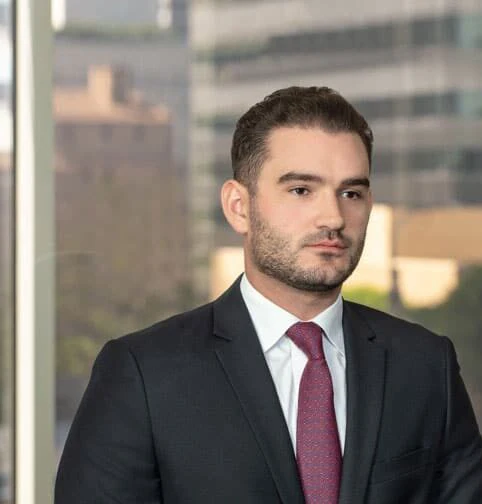
A San Jose employee sexually harassed at work has California-specific legal ground that the federal standard does not give. Government Code section 12923, codified by SB 1300 in 2018, sets out the legislature’s findings: a single act of harassment can create a hostile work environment, the California threshold cannot be more stringent than the federal one, and summary judgment is rarely an appropriate vehicle for harassment cases. That last finding is the one Silicon Valley employers feel hardest — it makes it harder to dismiss a claim at the pleading stage and pushes more cases past the motion phase into discovery. The same statute prohibits release-and-non-disparagement provisions designed to suppress harassment claims unless the worker received actual consideration for the release. The firm represents San Jose-area workers only, and tests every employer defense against the section 12923 standard before settlement talk begins. Comments you were told to lighten up about. A supervisor who didn’t stop after you said no. A schedule cut to a graveyard shift, a write-up out of nowhere, a route reassignment, or a quiet push toward the door. Texts and group chats that crossed the line. A promotion or overtime quietly handed to the coworker who didn’t complain. California law protected you from the first incident, and your employer broke it. This firm takes on California employers that let harassment continue and punish the people who report it. A successful claim can recover lost wages, compensation for emotional distress, unpaid overtime or premium pay, and attorneys’ fees — paid by the employer under FEHA, not deducted from your recovery. In the worst fact patterns, punitive damages. Founding Partner Simon Moshkovich (NYU Law; formerly Skadden and Latham & Watkins) reads every San Jose intake himself. If the claim is strong, you hear that straight. If it isn’t, you hear that straight as well. When we take a case, we work it to win — not to settle for a discount on what it’s worth.
Mercer Legal Group is a California employment firm for workers only. Founding Partner Simon Moshkovich trained at Skadden and Latham & Watkins on the defense side, then switched to represent employees because California law favors the worker. San Jose harassment cases win on Slack, Teams, GitHub PR comments, internal Jira tickets, calendar invites, badge-swipe records, and named coworker witnesses. High-volume firms don’t do that work. San Jose clients work with a senior attorney from the first call to the end of the case — no paralegal handoff after you sign.
FEHA — California’s workplace civil-rights statute — names two separate kinds of sexual harassment, and both apply to a San Jose employer. The first is quid pro quo. Anyone with control over your shift, your route, your commission, your station on the floor, or your shot at a promotion ties that decision to sexual conduct. Agree and the schedule moves your way. Refuse and the hours dry up, the better assignment goes to someone else, or year-end review starts looking unwinnable. A single incident is enough. The second is a hostile work environment. Unwanted comments, touching, staring, DMs, group-chat messages, or conduct so persistent that a reasonable employee in your position cannot do the work normally. The person doing it does not have to be management — a coworker on the line, a contractor in the warehouse, a vendor coming through the office, a regular customer all qualify, and the company is still answerable for what it did about it. The conduct does not have to be openly sexual either; harassment tied to gender, pregnancy, sexual orientation, or gender identity sits inside the same statute. It does not have to happen at the physical site — Slack, Teams, WhatsApp, Instagram DMs, Zoom, after-shift parking-lot conversations, ride-along moments all count. California also does not require a textbook victim or a specific phrase on the day you wanted it to stop. If you reported and the employer did nothing meaningful — or worse, cut your hours, moved you off the route, wrote you up, or began the push toward termination — the claim runs against the company itself, not only the person who did it.
A winning San Jose sexual-harassment case recovers specific things. Lost wages and benefits if the harassment or the retaliation cost you hours, shifts, or the job. Money for emotional distress — usually the biggest part of the verdict, because Santa Clara County juries know what this conduct does to a person. Front pay if going back is not realistic. Attorney fees paid by the employer under FEHA, not out of your recovery. Punitive damages when the conduct is bad enough, or when the company knew and did nothing. You pay nothing up front. Fees come out of the recovery, or there is no fee. Move now. California deadlines are short — one year on some claims, three on most. Wait, and evidence disappears: company phones get replaced, the coworker who saw it quits, the shift that could have testified gets reassigned. If you have a severance or separation agreement with an NDA or non-disparagement clause, do not sign before a lawyer reads it. California’s Silenced No More Act voids the parts of those NDAs that silence you about harassment, discrimination, or retaliation.
Free, confidential review for San Jose workers. A senior attorney tells you what the case is, how the employer will fight it, and what you can realistically recover.
Settlements come from evidence, not demand letters. Here is what the firm does on a San Jose harassment case. First, we preserve everything — texts, DMs, Slack, Teams, WhatsApp, voicemails, emails, screenshots, witness contacts — before the company can wipe its side. A litigation-hold letter goes to the employer so HR and IT cannot clear accounts or swap devices. You get clear direction on locking down your personal phone and what to stop saying in internal HR channels. A charge with the California Civil Rights Department or EEOC goes in the same week to stop the deadline clock. In discovery we request what the employer wants kept internal: prior complaints about the same supervisor, exit interviews of workers who quit citing him, the investigation memo, the decision-maker emails about you. Then come depositions. What HR wrote in the file rarely holds up when read next to the manager’s own Slack and text history. When the evidence lines up, cases settle well. When the employer refuses, the case goes to a Santa Clara County jury.
Three things set this firm apart on a San Jose harassment case. First, Simon Moshkovich reads every intake himself — no intake coordinator, no paralegal, no form filter. Second, the caseload is capped, so a senior attorney runs your depositions and discovery, not a junior. Third, we only represent employees. No Silicon Valley contract-staffing firm, downtown San Jose tech employer, Santana Row retail or hospitality operator, Mineta-area airport contractor, or Santa Clara Valley healthcare system is a client we hold back for. That matters the moment the employer brings in its own lawyers.
A short selection of California employment matters this firm has resolved. Each San Jose-area or Santa Clara County tech or healthcare fact pattern turned on its own record — prior outcomes are not a forecast of how a new claim will come out.
An employee reported persistent inappropriate conduct by a senior colleague. Internal complaints were documented but not acted on, and the employee was terminated under a pretextual performance rationale. The matter resolved after mediation with a confidential payment.
A mid-career professional was pressured by a supervisor in ways documented across messaging platforms. After targeted discovery, the case settled on confidential terms that included a full release of the non-disclosure provisions the employer had originally tried to impose.
A senior employee at a Southern California logistics operation was fired weeks after raising internal concerns about wage violations. In discovery, the employer’s performance-based excuse collapsed under its own HR records. The case settled confidentially in the seven figures before trial.
(818) 538-3458, or use the form on this page. To start the file, the firm needs a brief account: what happened, who did it, when the company was put on notice, and how the company responded. The detailed intake takes place during the senior-attorney call.
Simon or a senior attorney goes through the timeline with you. The call covers what California law protects you against, which evidence usually wins a harassment case, and what your claim is likely worth compared to San Jose-area and Santa Clara County tech and healthcare cases the firm has resolved.
The first task after the retainer is preservation. Every text, DM, Slack and Teams thread, voicemail, email, screenshot, and named witness contact gets pulled and archived in the firm’s case file before the employer has any opportunity to wipe its records. Written instructions follow: which internal HR or company channels to keep using, which to stop, and how to respond if defense counsel for the employer reaches out. The Civil Rights Department or EEOC charge gets filed within the week if the statute is close.
With the evidence built, you decide — settle or try the case. San Jose harassment cases settle when the employer sees the real exposure in the documents and testimony. The ones that go to a jury are the ones where the company still denies what the evidence shows.
Confidential, free review. Every San Jose intake reaches Simon Moshkovich directly.
We use cookies to run this site, measure traffic, and improve your experience. You can change this any time from the "Cookie preferences" link in the footer. See our Privacy Policy.