



Cut from a production, dropped from a show, or pushed out after raising a concern? Hollywood-area crew, writers, actors, and corporate workers bring those files here when the other side is a studio, streamer, talent agency, or production company. The firm takes on California entertainment employers on the documents, not on hunches, and declines cases the record will not support.
NYU Law · NYU Stern MBA · Former Skadden & Latham · Free consultation · Contingency representation
Or call us directly
Was the reason given for your Hollywood-area termination thinner than the timeline behind it? The trigger is often a harassment or discrimination report, a request for medical leave or a disability accommodation, a refusal to do something the company knew crossed a legal line, or speaking up about something the production wanted kept quiet. When the dates line up that way, the firing usually crossed a California statute, and the employer’s records will tend to show it. The firm pursues those cases. California allows recovery of lost pay, emotional-harm damages, and attorneys’ fees billed against the employer instead of carved out of the worker’s award. Punitive damages reach conduct that was malicious, fraudulent, or oppressive. Simon Moshkovich, NYU Law and former Skadden and Latham & Watkins counsel, reviews every intake personally and gives a yes-or-no read on the same call. Cases that will not carry get the same straight answer cases with merit do, and the ones the firm takes get prepared for trial first.
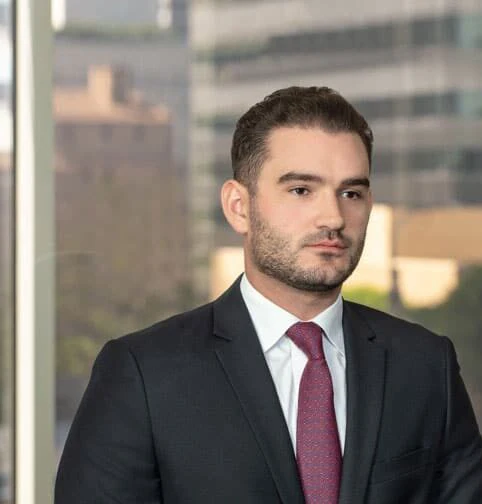
Mercer Legal Group is a California plaintiff-side employment shop. The firm represents workers only and accepts no defense engagements from studios, streamers, talent agencies, or production companies. Simon Moshkovich, the founding partner, takes Hollywood-area intake calls himself and remains the lead attorney on the file through resolution. The docket is held small by design. That cap is what lets an entertainment-industry termination or harassment matter receive senior-attorney hours through preservation, discovery, deposition, and mediation.
California’s employment statutes give workers a level of protection most other states do not match, and Hollywood-area employers — production companies, studios, streamers, talent agencies, post houses — answer to those rules the same way any other California business does. A termination cannot be retaliation for reporting harassment on a set, in a writers’ room, at a pitch meeting, or in a corporate office, no matter who the underlying conduct was directed at. A termination cannot be tied to race, sex, age, pregnancy, disability, medical condition, religion, national origin, sexual orientation, gender identity, or any other trait FEHA covers. A termination cannot follow a request for a disability or pregnancy accommodation, including ones made during prep, principal photography, or post. A termination cannot follow protected medical or family leave under CFRA, and it cannot punish a return from that leave. A termination cannot punish raising on-set safety concerns, reporting wage theft on a production, or flagging conduct the worker reasonably believed to be unlawful under Labor Code 1102.5. A termination cannot follow a refusal to sign falsified timecards, misclassify workers, or paper over any other cover-up. A termination cannot follow cooperation with a Cal/OSHA, CRD, EEOC, or Labor Commissioner investigation. A termination cannot follow a workers’ compensation claim after an on-set injury. When the actual reason a job ends matches any of those, even when the production calls it “creative differences,” “end of engagement,” or a budget reduction, California recognizes it as wrongful termination and provides a cause of action.
When a California wrongful-termination claim hits home against a Hollywood-area employer, the recoverable categories run wider than most workers leaving a production realize. Back pay sweeps in lost wages, guaranteed weeks, per-episode fees, holding fees, residuals, vested equity, and the cost of replaced benefits from the termination date through verdict. Front pay addresses future lost earnings when the firing demonstrably set the career back, which matters in an industry where one production exit can shadow every hiring decision that comes after it. Emotional-distress damages run uncapped under California law and require no therapy record, though one tightens the case. Punitive damages reach conduct that was malicious, fraudulent, or oppressive, and Los Angeles County juries are familiar with what that looks like coming from a well-funded studio defendant. FEHA shifts attorneys’ fees to the losing defendant, so a winning client’s recovery does not get carved up by legal bills. The firm works on contingency: no recovery, no fee. Filing windows run short in California — one year for some theories, three for others — and studios move quickly to clear drives, email archives, and Slack retention once a name comes off payroll. If a production handed over a severance agreement with an NDA after a harassment, discrimination, or retaliation incident, do not sign without a review first: the Silenced No More Act voids the portions of most entertainment-industry NDAs that would silence those subjects, and AB 749 limits no-rehire clauses that would block return work across the same studio family. Past results carry no guarantee of future outcomes.
No-cost case review for workers in the Hollywood area. A senior attorney delivers a direct read on the evidence, the defenses studio counsel will reach for, and the realistic value of the matter.
Strong settlements in Hollywood employment files come from records a studio’s outside counsel does not want sitting in front of a Los Angeles jury. Building that record begins the first week. Step one is preservation: a formal litigation-hold letter to the production company, studio, talent agency, or streamer, demanding retention of Slack and Teams threads, production emails, HR records, call sheets, performance notes, pitch-meeting recordings, and the full decision-making chain on the release. The worker’s own records get gathered in parallel — text threads with producers and EPs, calendar invites, deal memos, scripts and notes that prove what the actual contribution looked like. Witnesses — line producers, UPMs, ADs, coordinators, former coworkers, prior HR contacts — get identified early, while their recollection is still current. The protective filing with the California Civil Rights Department, the EEOC, or the Labor Commissioner goes in to freeze the statute of limitations. Discovery then targets the material the studio least wants outside its walls: prior harassment complaints against the same executive or showrunner, internal investigation memos, AD and wardrobe decisions that betray the real reason behind a release, and the gap between written DEI or safety policy and what actually happened on set. Depositions get built around contradictions sitting inside the employer’s own paper trail. Most matters resolve seriously once that record exists; the rest are prepared to go to a jury.
Many workers in the Hollywood area come to the firm after a poor experience with a high-volume plaintiff shop. The file got handed to a new associate. The calls did not get returned. The pressure to take a quick payment felt more about the firm’s caseload than the worker’s case. The model here runs the other direction. Simon Moshkovich reads every intake himself, with no gatekeeper and no paralegal triaging by keyword. The docket is kept small on purpose, so the file gets senior-attorney attention at every stage. The firm represents workers only, which removes any quiet conflict with the studios and production companies the practice has to litigate against. Cases without the evidence to support them get declined at intake. The yes, when it comes, is real.
A brief selection of California employment matters the firm has carried to resolution. Each Hollywood-area production or studio file turned on its own facts — prior outcomes carry no forecast of how a new entertainment-industry claim will resolve.
A worker was terminated within weeks of submitting an internal complaint about harassment by a direct supervisor. The performance basis the employer relied on did not appear anywhere in the prior round of reviews. The matter resolved at mediation with a confidential payment and clean separation language.
A senior team lead at a Southern California logistics company was let go weeks after surfacing wage-and-hour issues through internal channels. The performance pretext the employer leaned on did not survive its own HR records in discovery. The matter resolved confidentially in the seven figures, ahead of trial.
A technical specialist at a California manufacturer was terminated after escalating documented compliance concerns to senior leadership. Targeted discovery into the chain of decision-makers produced the records that drove the resolution, and the matter closed on confidential terms.
Call (818) 538-3458 or use the contact form. Two or three sentences about the production and what happened are enough to set up the call. Confidentiality is in place from the first message, whether or not the firm ends up retained on the case.
Simon or a senior attorney runs the timeline with you on the call — the production, the role, the events that led to the release — and delivers a plain read: viable claim or not, the damages range that fits the facts, the defenses the studio or production company is most likely to raise. A straight answer, not a sales pitch.
On a viable case, a written outline goes out covering what to preserve from production records, what to stop doing immediately, and what to say if a producer, showrunner, or HR makes contact again. Where the statute is short, the filing with CRD or the appropriate agency goes in the same week so the deadline locks.
Once the record is built out, the call is yours: take the settlement the file’s leverage actually supports, or take the matter to a Los Angeles jury. The firm’s job is to make sure both paths are real, sitting on documents and witness testimony rather than on pressure.
No-cost, confidential case evaluation. Simon Moshkovich reads every intake personally before any retainer is signed.
We use cookies to run this site, measure traffic, and improve your experience. You can change this any time from the "Cookie preferences" link in the footer. See our Privacy Policy.