



Sexual harassment at a Sacramento workplace, with HR sitting on the complaint — or routing it back as a write-up against the worker who made it. The firm goes after the California employer that allowed the conduct — and the person who carried it out.
NYU School of Law · Defense training at Skadden, Arps and at Latham & Watkins · Confidential intake call · Fee only on recovery
Or call us directly
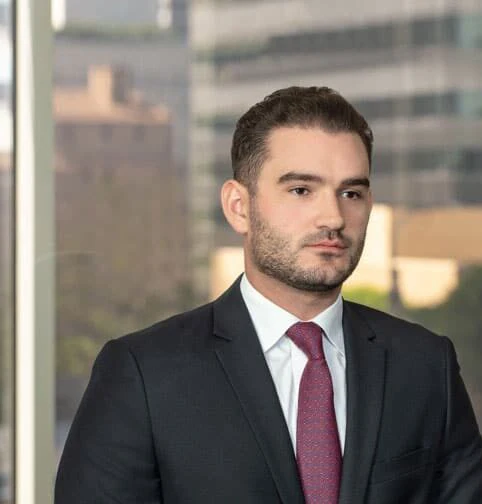
A worker in Sacramento who has been sexually harassed on the job has up to three years to file a charge with the California Civil Rights Department under the Fair Employment and Housing Act — a window extended in 2020 by AB 9, and well beyond the 300-day federal Title VII deadline. Many claimants who assume the federal window has run still have time to file under California law. The firm represents workers only, against the California employer that allowed the conduct. Comments you were told to lighten up on. A supervisor who refused to stop after you said no. A schedule cut to graveyard, a write-up out of nowhere, a route reassignment, or a quiet push toward the door. Texts and group chats that crossed the line. Overtime or a promotion quietly handed to the coworker who stayed silent. California law protected you from the first incident, and the employer broke it. The firm takes on California employers that let harassment continue and punish the people who report it. A successful claim recovers lost wages, compensation for the emotional cost, unpaid overtime or premium pay, and attorneys’ fees — billed to the employer under FEHA rather than carved out of the worker’s recovery. In the worst fact patterns, punitive damages. Founding Partner Simon Moshkovich, NYU Law and former Skadden and Latham & Watkins counsel, reads every Sacramento intake himself. A strong claim gets that read straight. So does a claim the record will not carry. When the firm signs a file, we run it to win it — not to discount it for the employer’s first low offer.
Mercer Legal Group is a California employment shop on the worker side, period. Simon Moshkovich, the founding partner, trained on the defense side at Skadden and at Latham & Watkins before turning the same playbook against management because California law sits with the employee. Sacramento harassment matters get carried by texts, chat logs, voicemails, and named witnesses {DASH} the kind of work volume firms tend to skip. Sacramento clients stay with a senior attorney from the first call through the close of the case, with no paralegal handoff once the retainer is in.
California’s workplace civil-rights statute, FEHA, recognizes two distinct categories of sexual harassment, and a Sacramento employer is bound by both. The first is quid pro quo. Anyone with authority over your shift, your assignment, your commission, your station on the floor, or a chance at promotion ties that decision to sexual conduct. Agree and the schedule lands in your favor. Refuse and the hours dry up, the better assignment goes to someone else, or the year-end review suddenly looks unwinnable. A single instance is enough. The second category is a hostile work environment. Unwanted comments, touching, staring, DMs, group-chat messages, or a pattern persistent enough that a reasonable worker in your role cannot perform the job normally. The person responsible does not have to be management — a coworker on the line, a contractor in the office, a vendor coming through the floor, a regular client all qualify, and the company remains responsible for what it did about it. The conduct does not have to be overtly sexual either; harassment based on gender, pregnancy, sexual orientation, or gender identity sits inside the same statute. It does not have to take place at the physical site — Slack, Teams, WhatsApp, Instagram DMs, Zoom, after-hours work events, ride-along moments all count. California likewise does not require a textbook complainant or a specific phrase on the day you wanted the conduct to stop. If you reported and the employer offered nothing of substance — or worse, cut your hours, pulled you off the route, wrote you up, or started the push toward termination — the claim runs against the company itself, not just the person who did it.
A successful Sacramento sexual-harassment matter recovers specific dollars. Lost wages and benefits whenever the harassment or the retaliation that came after cost you hours, shifts, or the job entirely. Compensation for emotional distress — usually the largest line on a verdict like this, because Sacramento County juries understand what this conduct does to a person across months and years. Front pay applies when returning to that workplace is no longer realistic. Attorneys’ fees come from the employer under FEHA rather than out of the worker’s recovery. Punitive damages when the conduct itself was severe enough, or when the company knew and chose to do nothing. For workers at a state agency or capital-area public entity, Labor Code 1102.5 layers an additional retaliation cause of action on top. The client owes nothing up front. Fees stay contingent on a recovery, or there is no fee. Move now. California deadlines are short — one year on some claims, three on most — and once the window closes, the matter goes cold on facts that were winnable last month. Company phones get rotated, the coworker willing to back up the timeline quits, the shift that could have spoken to the pattern gets reassigned. If a severance or separation agreement is in your hand carrying an NDA or non-disparagement clause, do not sign before a lawyer reads it. California’s STAND Act (SB 820, 2018) bars confidentiality clauses in settlement agreements covering sexual harassment, assault, sex-based discrimination, or retaliation, and the later Silenced No More Act extended that protection into severance agreements as well.
Confidential, no-cost review for workers in Sacramento. A senior attorney walks the timeline with you, names the defenses the employer will lean on, and prices the recovery the matter is realistically worth.
Settlements run on evidence, not on tough-sounding demand letters. Here is what the firm actually does on a Sacramento harassment file. Step one is preservation — texts, DMs, Slack, Teams, WhatsApp, voicemails, emails, screenshots, witness contacts — captured before anything on the company side quietly disappears. A litigation-hold letter goes to the employer so HR and IT cannot clear accounts or rotate devices. The worker gets specific direction on locking down a personal phone and on what to stop volunteering through internal HR channels. A charge with the California Civil Rights Department or EEOC goes in the same week to halt the deadline clock. Discovery then targets what the employer most wants kept internal: prior complaints about the same supervisor, exit interviews of workers who quit citing him, the investigation memo that landed on the agency director’s or the executive’s desk, the decision-maker emails about the worker filing now. Depositions follow. What HR put in the official file rarely survives being read alongside the manager’s own Slack and text history. When the evidence lines up that way, matters settle on serious numbers. When the employer refuses to be reasonable, the file gets prepared for a Sacramento County jury.
Three things distinguish how this firm runs a Sacramento harassment file. Simon Moshkovich reads every intake himself — no intake screener, no paralegal, no keyword filter. The docket is held to a level that keeps senior-attorney hours on depositions and discovery rather than spread across a pipeline. The practice is workers-only — no state agency, UC Davis Medical Center-affiliated practice, Sutter Health-affiliated provider, or Folsom-Roseville tech employer is a client this firm is quietly holding back on because they pay on another file. That matters the moment the employer brings in defense counsel of its own.
A brief selection of California employment matters the firm has carried to resolution. Each Sacramento-area or Northern California matter turned on its own record — prior outcomes carry no forecast of how a new claim will resolve.
A worker reported a sustained pattern of inappropriate conduct by a senior colleague. The internal complaints were on file but went unanswered, and the worker was terminated on a pretextual performance write-up. The matter closed at mediation on a confidential payment.
A mid-career professional was pressured by an immediate supervisor in conduct preserved across messaging platforms. Targeted discovery surfaced the records that drove the resolution, and the matter settled on confidential terms that included a full release of the non-disclosure provisions the employer had originally insisted on.
A senior worker at a Southern California logistics operation was fired in the weeks after taking wage-and-hour concerns up the chain. The performance-based excuse the employer had on file collapsed under its own HR documentation in discovery. The matter resolved confidentially in the seven figures, ahead of trial.
Phone the firm at (818) 538-3458 or submit the form below. A few sentences are enough to set up the call: the conduct, who did it, the date it was reported internally, and how the company responded. The full intake happens once the call is underway with a senior attorney.
Simon or a senior attorney walks the timeline with you in full. The conversation covers what California law actually reaches in your facts, the categories of evidence that usually carry a harassment matter, and what the claim is realistically worth measured against Sacramento and Northern California files the firm has already resolved.
The day the retainer is signed, the firm pulls and stores the evidence record — every text, DM, Slack thread, voicemail, screenshot, and witness contact — before the employer has any opportunity to alter or delete its side. The worker gets written guidance on which internal or HR channels to keep using, which to step away from, and how to respond if the employer’s counsel makes contact. The CRD or EEOC charge goes in promptly whenever the statute is closing in.
With the record built, the call belongs to the worker — settle or take the matter to a jury. Sacramento harassment files resolve on serious numbers once the employer faces real exposure across documents and deposition testimony. The matters that reach verdict are the ones where the company still refuses to acknowledge what the record already shows.
Confidential, no-cost review. Every Sacramento harassment intake reaches Simon Moshkovich personally before any retainer is signed.
We use cookies to run this site, measure traffic, and improve your experience. You can change this any time from the "Cookie preferences" link in the footer. See our Privacy Policy.