



Pushed out of a Bakersfield job after flagging unpaid wages, raising a safety hazard on the rig or in the packing line, taking protected medical leave, or asking for a disability accommodation. The firm sits on the worker’s side of the table, never on management’s.
Defense-side history at Skadden & Latham · NYU Law & NYU Stern · California employment counsel for workers · Case review at no cost
Or call us directly
A worker in Bakersfield terminated for reporting a safety violation, refusing to follow an unlawful instruction, taking protected medical leave, raising a complaint about unpaid wages, or on the basis of a protected characteristic under the Fair Employment and Housing Act has a wrongful-termination claim against the employer. California’s at-will rule yields to those protections. SB 497, in effect since January 2024, amended Labor Code 1102.5 so that any firing landing within 90 days of a protected complaint is presumed retaliatory — the employer must carry the burden of disproving it. Recoverable damages reach back pay, front pay, emotional distress, and attorneys’ fees billed to the employer. Simon Moshkovich — NYU Law and former Skadden and Latham counsel — reads every Bakersfield intake himself.
Mercer Legal Group’s Kern County practice rests on a clear position: a tightly focused, worker-only shop that signs fewer files and prepares each one for trial outperforms the high-volume settlement mill on what the worker actually takes home. That position drives every Bakersfield matter the firm accepts. The practice represents employees only — no employer-side defense work, no mixed loyalties, no client roster that would make the firm go quiet on a particular San Joaquin Valley agricultural operator, oil-and-gas producer, hospital system, or distribution employer. Each intake is personally read by Simon Moshkovich, and each file is built with the same discovery and deposition discipline he learned on the defense side at Skadden and Latham, now applied for the worker.
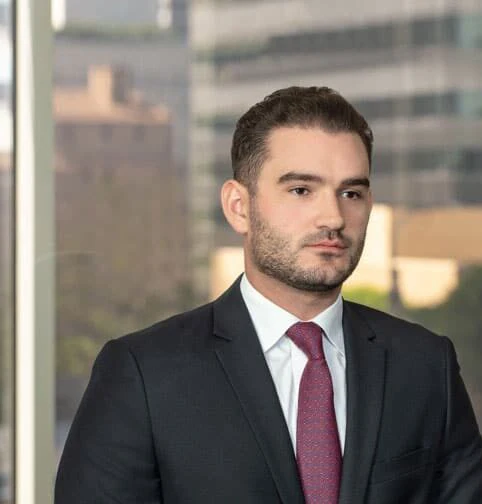
California’s wrongful-termination protections sit well above the federal floor, and most of the firings the firm sees come out of Bakersfield workplaces — packing houses, oil-field operations, hospitals, distribution centers, public-sector offices — arrive wrapped in performance documentation that materialized after the protected activity, not before. FEHA bars termination tied to age over 40, race, religion, gender, pregnancy, disability, national origin, sexual orientation, gender identity, or military or marital status. Labor Code 1102.5 reaches whistleblower retaliation generally, and Labor Code 6310 separately protects Cal/OSHA safety complaints — a routine fact pattern on Kern County rigs and ag worksites where reporting an unsafe condition is followed by a sudden schedule cut or termination. AB 1003 (effective January 2022) makes intentional wage theft over $950 grand theft under Penal Code 487m, sharpening the leverage when the firing follows a wage complaint. CFRA covers protected medical leave for the worker or a family member. The Healthy Workplaces, Healthy Families Act protects paid sick leave, expanded under SB 616 to five days. An employer can lawfully terminate for documented cause or in a real layoff — but a retaliatory firing dressed up with a sudden write-up rarely holds together against the timeline a discovery production builds.
California wrongful-termination recoveries divide into specific dollar categories. Back pay captures the lost wages, overtime, commissions, incentive pay, 401(k) contributions, and benefits running from the termination date through entry of judgment. Front pay handles forward-looking career damage when the firing objectively set the worker back in the labor market. Emotional distress damages are recoverable under FEHA and parallel tort theories, and California imposes no cap analogous to the federal one. Punitive damages apply when the employer acted with malice, fraud, or oppression — conduct Kern County juries have shown a willingness to punish on the right record. FEHA shifts attorneys’ fees onto the defendant when the worker prevails, so the recovery does not get carved down by hourly billing. California limitations periods range from one year to four depending on the claim, and missing the shortest one closes the matter before it ever opens.
No-cost case review for workers in Bakersfield. A direct read on whether the termination carries a real Kern County claim or whether the record will not support one.
Kern County juries take an employment case seriously when the file in front of them was built that way. The work that drives strong settlements happens well before any demand letter goes out — it begins the day the firm signs the matter. A litigation hold goes to the former employer requiring preservation of every email, Slack message, Teams chat, HR record, performance file, time-keeping export, and management communication touching the termination decision. The firm also collects what the worker still holds: text threads with supervisors, performance-review history, training records, calendar invites, anything sitting on a personal device. Witnesses get identified and their accounts memorialized while recollections are current. The deposition strategy then targets the gap between the story the employer plans to tell and what its own documents actually say — the contradiction that makes a verdict in front of a Kern County jury more frightening to the defense than writing the settlement check.
The firm gets hired most often through one channel: a referral from a worker whose matter finally drew real attention after the first firm let it sit. Bakersfield workers describe the same arc — signed with a high-volume plaintiff-side shop, got handed off to whichever associate had bandwidth, watched the file drift toward a quick settlement priced for the firm rather than the client. This practice runs the opposite operation. Senior-attorney attention on every file. A held caseload, so the matter is not stacked behind two hundred others. Workers only, so there is no quiet conflict with a Kern County employer the firm needs to keep happy. The firm declines matters it does not believe it can win — which is why a signed retainer here actually carries weight with the defense.
A short selection of California employment outcomes the firm has already carried to resolution. Every Kern County matter sits on its own facts and procedural posture — past results are not a forecast of how a future Bakersfield case will resolve.
A worker was terminated within weeks of reporting harassment by an immediate supervisor. The performance rationale on the termination paperwork did not square with the prior review history sitting in the same HR file. The matter resolved at mediation on a confidential payment with clean separation terms.
A senior worker at a Southern California logistics operation was terminated in the weeks after taking documented wage-and-hour concerns up the chain. The performance-based defense the employer had on file collapsed in discovery against its own HR records. The matter resolved confidentially in the seven figures, ahead of trial.
A technical worker at a California manufacturer was terminated after putting documented compliance concerns in front of management. Targeted discovery into the decision-making chain surfaced the records that drove the resolution, and the matter closed on confidential terms.
Call (818) 538-3458 or submit the form on this page. A brief summary — the role, the termination, the protected activity that came before it — is enough to open the file. Confidentiality applies from the very first sentence the worker shares.
Simon or a senior attorney walks the facts with the worker and gives a straight read: whether there is a claim, the realistic damages range the record will support, and the defenses Kern County employers typically run. A working conversation, not a sales pitch.
Once the matter clears review, a preservation demand goes to the former employer reaching email, Slack and Teams archives, HR files, time-keeping exports, and performance records. Where the shortest statute is closing in, the agency filing follows in the same week.
Once the file is built, the call belongs to the worker: accept a settlement the record’s leverage actually justifies, or take the matter to a Kern County jury. The firm makes sure that decision sits on the documents and the math, not on financial pressure to close it out cheap.
Confidential, no-cost review. Every Bakersfield wrongful-termination intake reaches Simon Moshkovich or a senior partner before any retainer is signed.
We use cookies to run this site, measure traffic, and improve your experience. You can change this any time from the "Cookie preferences" link in the footer. See our Privacy Policy.